

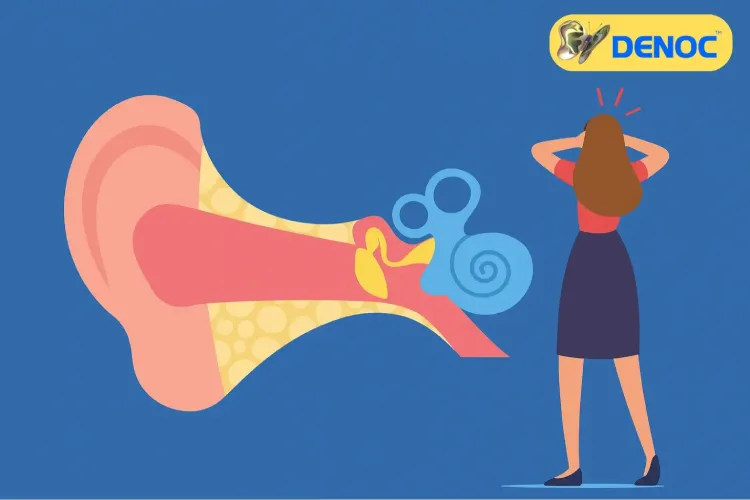
🔎 What is Otosclerosis?
Otosclerosis is derived from “oto” (ear) and “sclerosis” (abnormal hardening of tissue). It refers to abnormal bone remodeling in the middle ear, which disrupts the transmission of sound from the middle ear to the inner ear.
📌 Causes of Otosclerosis
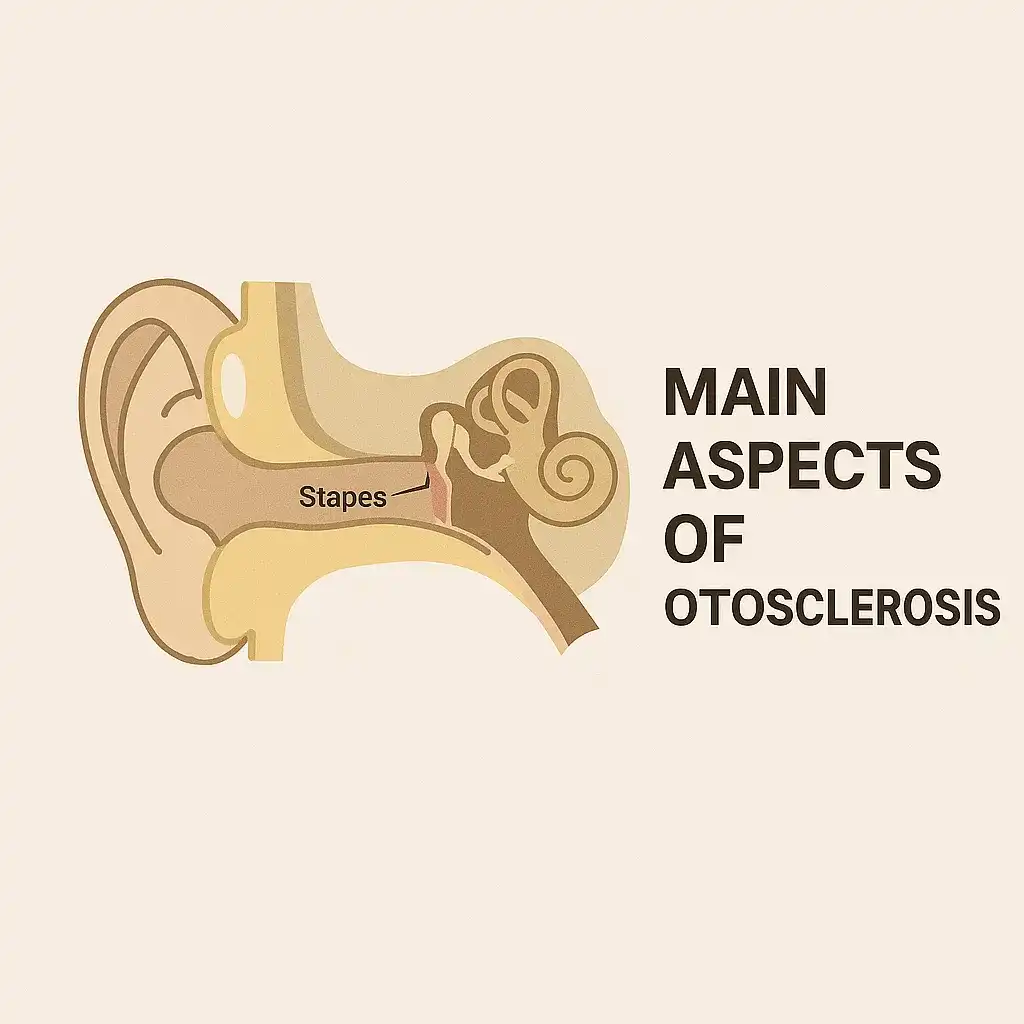
- Most commonly occurs when the stapes bone in the middle ear becomes immobile
- Immobility of the stapes prevents sound from traveling effectively to the inner ear
📈 Symptoms of Otosclerosis
- Progressive hearing loss (usually starting in one ear)
- Difficulty hearing low-pitched sounds or whispers
- Tinnitus (ringing in the ears)
- Occasional dizziness or balance issues
🩺 How Is It Diagnosed?
Diagnosis is done by hearing specialists such as an ENT, otologist, or audiologist. Steps include:
- Rule out other conditions with similar symptoms
- Perform audiometry to assess hearing sensitivity
- Conduct tympanometry to evaluate middle ear function
💡 Treatment Options
- No drug treatment is currently available, though research continues
- Mild cases: Treated with hearing aids that amplify sound
- Severe cases: May require stapedectomy surgery — inserting a prosthetic device to restore hearing