Rediscover the Sound of Life with Denoc Hearing Care Centre
What Is a Cochlear Implant?
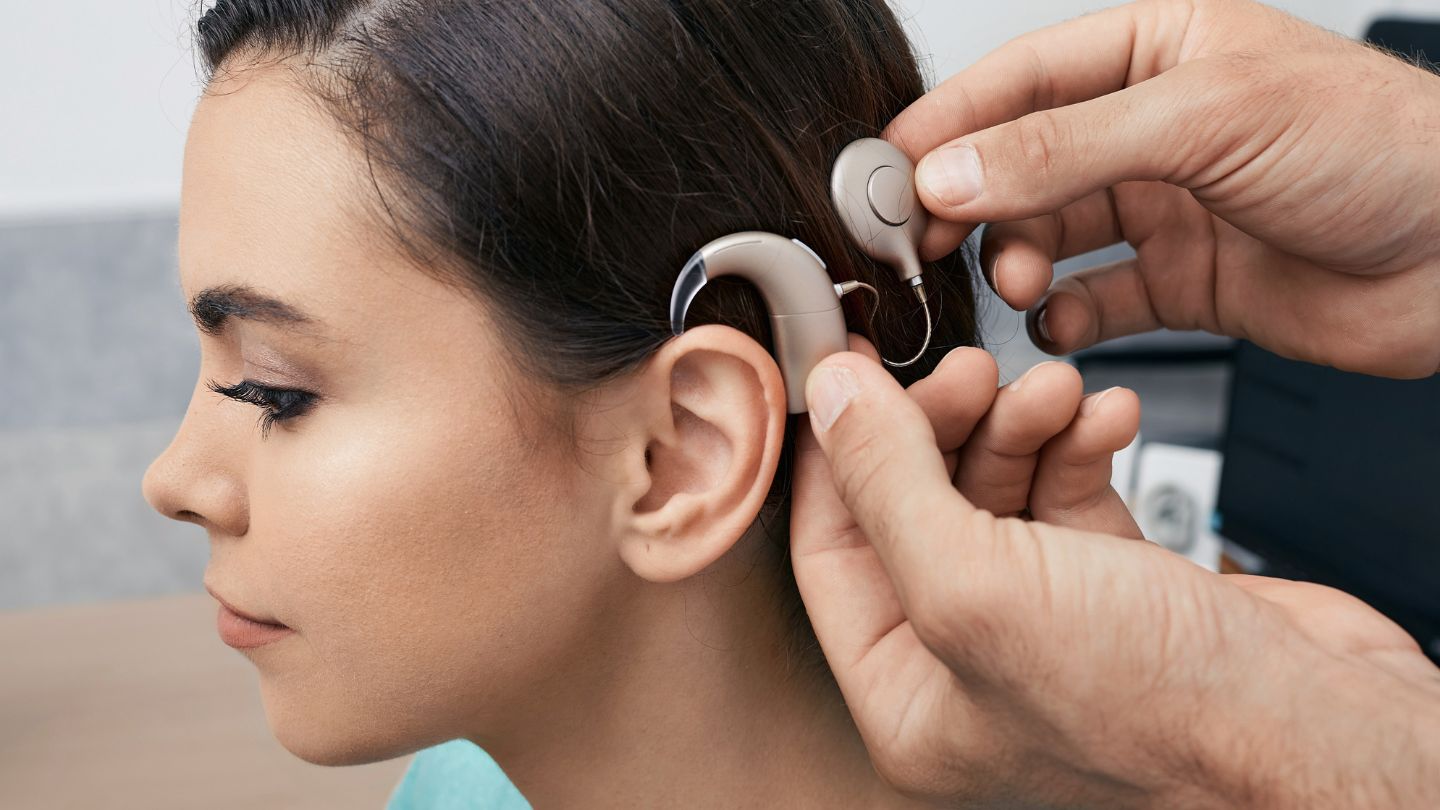
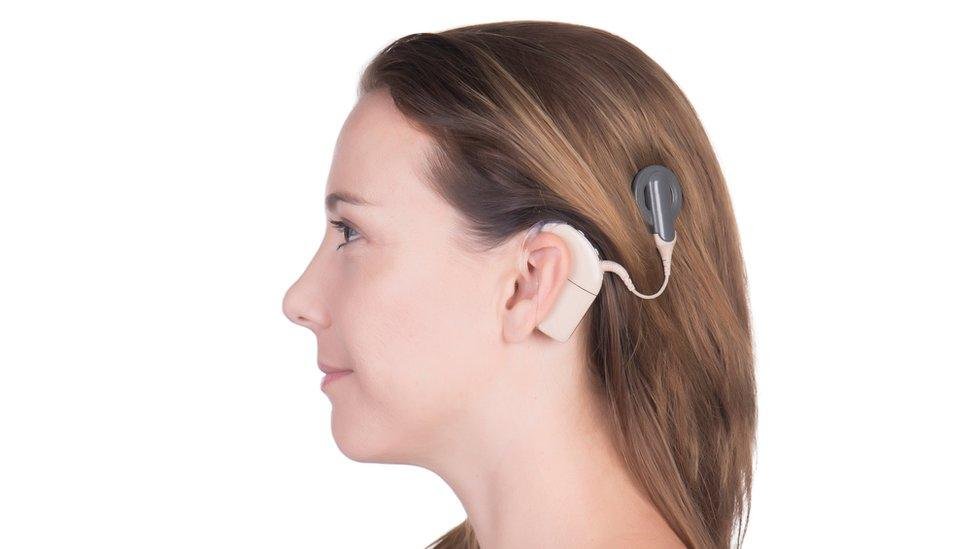
A cochlear implant is a sophisticated electronic medical device designed to provide a sense of sound to individuals who are profoundly deaf or severely hard of hearing. Unlike hearing aids, which amplify sounds, cochlear implants bypass damaged parts of the inner ear and directly stimulate the auditory nerve, enabling access to sounds previously unheard.
Understanding the Cochlea
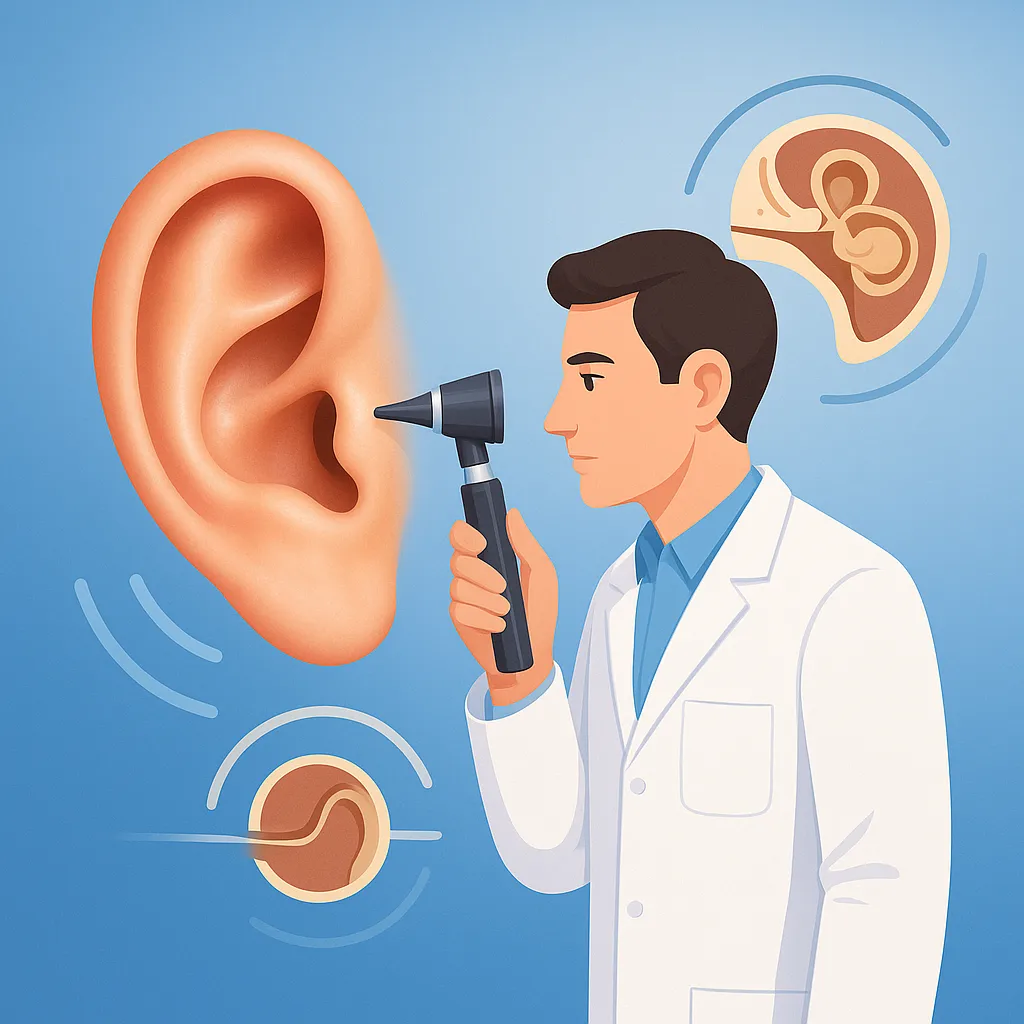
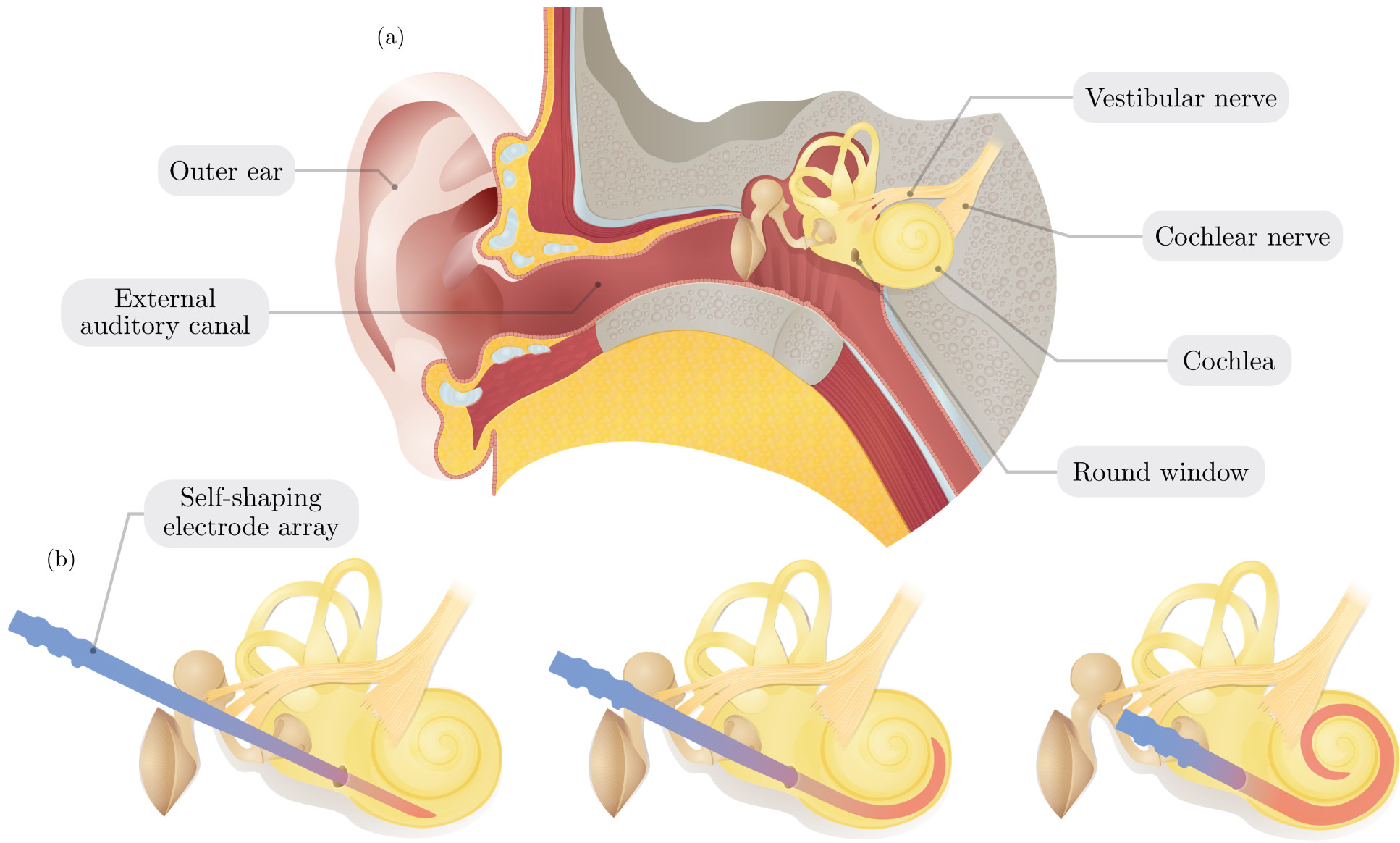
The cochlea is a spiral-shaped cavity in the inner ear that looks like a snail shell. It houses nerve endings critical to hearing, translating sound vibrations into electrical signals sent to your auditory (hearing) nerve.
How Does a Cochlear Implant Work?
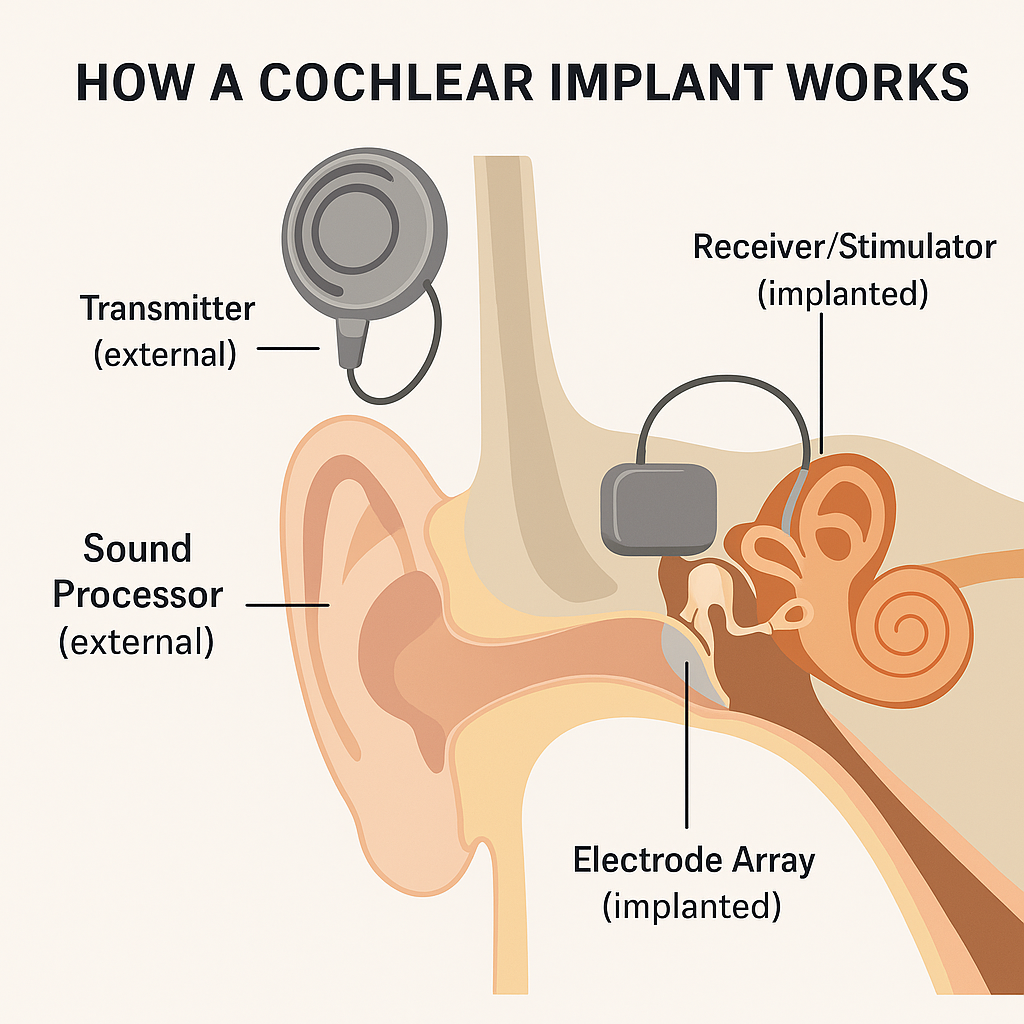
- Sound Processor (external): Captures sounds from the environment.
- Transmitter & Receiver/Stimulator (implanted): Converts captured sounds into electrical signals.
- Electrode Array (implanted): Sends signals directly to the auditory nerve in the cochlea.
This bypasses the non-functional hair cells and delivers sound information directly to the brain.
Who Can Benefit?
Children born deaf or with severe hearing loss.
Adults who have lost hearing later in life or haven’t benefitted enough from hearing aids.
Advantages of Cochlear Implants
Risks and Considerations
While cochlear implants offer transformative benefits, it’s important to consider potential risks:

Facial nerve damage, leading to weakness or paralysis.

Dizziness or balance challenges.

Tinnitus (ringing in the ears).

Loss of residual natural hearing.

Device failure or infection requiring re-implantation.

Meningitis, though rare, is a serious risk. Vaccination is recommended by the FDA and CDC.
Why Choose Denoc Hearing for Cochlear Implants?
- Experienced cochlear implant audiologists
- End-to-end support from assessment to post-implant rehab
- Partnership with leading brands: Cochlear™, MED-EL, Advanced Bionics
- Dedicated pediatric and adult implant counselling
- Strong aftercare and mapping support across India

🎤 Sound Processor (external):
Captures sounds from the environment.📡 Transmitter & Receiver/Stimulator (implanted):
Converts captured sounds into electrical signals.🧠 Electrode Array (implanted):
Sends signals directly to the auditory nerve in the cochlea.This bypasses the non-functional hair cells and delivers sound information directly to the brain.

🧒 Children born deaf or with severe hearing loss
Early intervention with cochlear implants supports speech and language development.🧑⚕️ Adults with acquired hearing loss or limited benefit from hearing aids
Cochlear implants offer improved hearing for those not adequately helped by conventional aids.

🗣️ Improved speech understanding – even without lip reading.
📞 Easier communication via phone or TV.
🎵 Enhanced music appreciation.
📊 Ability to differentiate sound levels (soft, medium, loud).
🎙️ Improved voice control, helping speech sound more natural.

While cochlear implants offer transformative benefits, it’s important to consider potential risks:
🧠 Facial nerve damage, leading to weakness or paralysis.
🔄 Dizziness or balance challenges.
🔔 Tinnitus (ringing in the ears).
🔇 Loss of residual natural hearing.
💥 Device failure or infection requiring re-implantation.
🧫 Meningitis, though rare, is a serious risk. Vaccination is recommended by the FDA and CDC.
🎧 Experienced cochlear implant audiologists.
🔁 End-to-end support from assessment to post-implant rehab.
🤝 Partnership with leading brands: Cochlear™, MED-EL, Advanced Bionics.
👩⚕️ Dedicated pediatric and adult implant counselling.
🌐 Strong aftercare and mapping support across India.

Book a Free Consultation
Discover how far hearing technology has come – and how it can transform your life today.
Frequently asked questions
A: Cochlear implants are recommended when hearing aids no longer provide benefit. They bypass damaged parts of the ear and may offer clearer sound perception.
A: It varies by individual. Most patients undergo audiological rehab and mapping sessions for several months to adjust and optimize hearing outcomes.
A: Yes. Cochlear implants are commonly used in children with severe-to-profound hearing loss, often with excellent results in language development when implanted early.