Deprecated: Creation of dynamic property acf_field_photo_gallery::$settings is deprecated in /home/u121922549/domains/instantlywebsite.com/public_html/denochearing/wp-content/plugins/navz-photo-gallery/includes/__construct.php on line 22 Noise-Induced Hearing Loss – Causes, Symptoms & Protection | Denoc Hearing
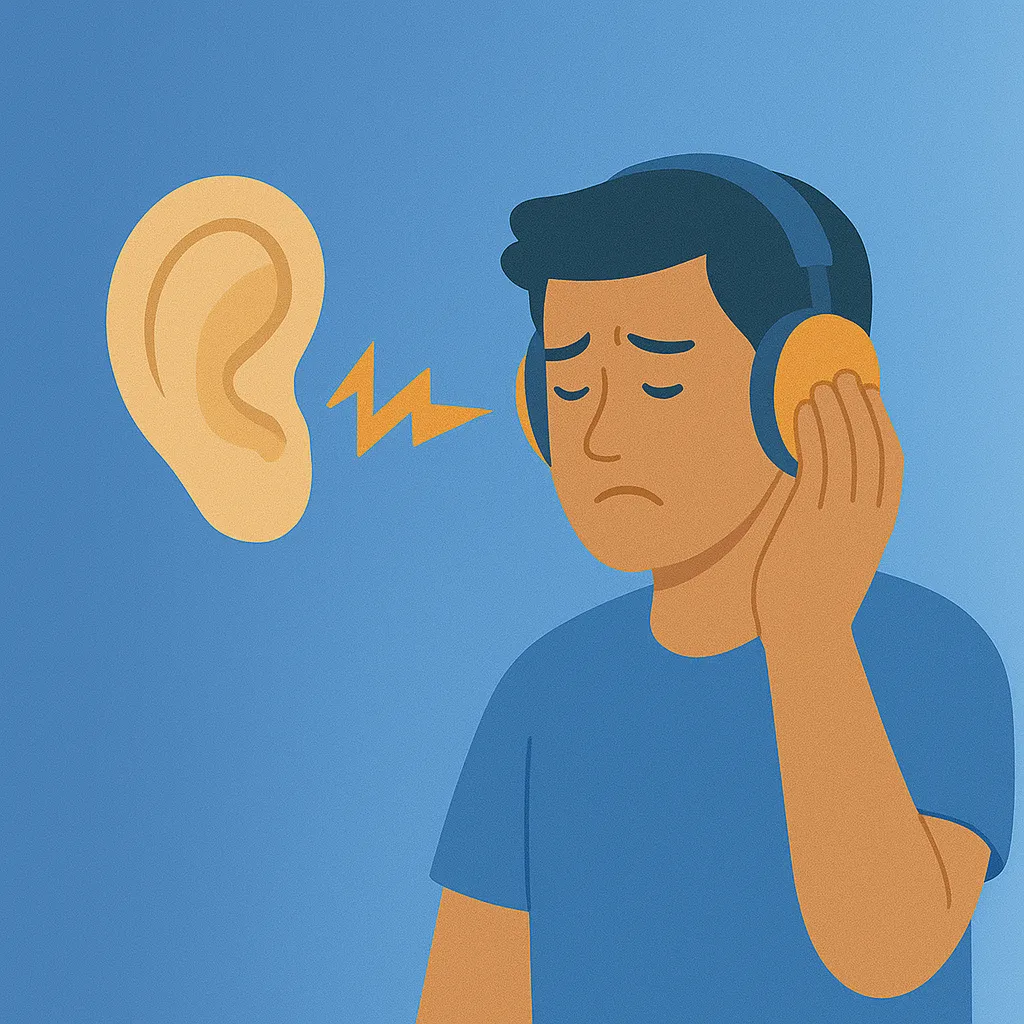
Noise-Induced Hearing Loss (NIHL) is permanent hearing damage caused by exposure to loud sounds—whether sudden (like a firecracker) or prolonged (like loud music or machinery). It can affect anyone, at any age.
How Does It Happen?
Sound travels through the ear to the cochlea, a delicate, fluid-filled structure lined with tiny hair cells. Loud noise overstimulates and damages these hair cells, which cannot regenerate—leading to permanent hearing loss.
Risk Factors
🔊 You’re at Higher Risk If:
Noise is too loud (above 85 dB)
You’re too close to the source
You’re exposed for a long duration
Even daily exposure—like using earphones at full volume or working with power tools—can be harmful.
01
Signs of NIHL
🔍 Common Signs of Hearing Loss
Muffled or distorted hearing
Trouble understanding speech in noisy places
Frequently turning up the TV volume
Asking others to repeat themselves
Ringing in the ears (Tinnitus)
Avoiding conversations or social activities
Reminder: If you’re experiencing one or more of these symptoms, it’s a good idea to get your hearing tested. Early detection can make a big difference.
02
The Silent Culprit
⚠️ Impulse Noise & Hearing Damage
Sounds above 140 dB — such as gunfire, fireworks, or explosions — can cause instant and permanent hearing loss.
Single exposure is enough to cause irreversible damage.
Enclosed spaces increase the risk due to sound reflection.
Both ears can be affected at once.
🎧 Protect Your Hearing: Always wear certified ear protection when exposed to high-decibel environments.
Common Noise Levels (dB Scale)
Source
Approx. dB Level
Safety
Firecracker, Gunshot
140–150 dBP
Unsafe at any duration
Rock Concert, Chainsaw
110–120 dBA
Limit exposure, wear plugs
City Traffic, Hair Dryer
85–100 dBA
Safe < 15 mins without protection
Normal Conversation
60–70 dBA
Safe
Quiet Room, Whisper
30–40 dBA
Completely safe
Source
Approx. dB Level
Safety
Firecracker, Gunshot
140–150 dBP
Unsafe at any duration
Rock Concert, Chainsaw
110–120 dBA
Limit exposure, wear plugs
City Traffic, Hair Dryer
85–100 dBA
Safe < 15 mins without protection
Normal Conversation
60–70 dBA
Safe
Quiet Room, Whisper
30–40 dBA
Completely safe
When Noise Is Too Much
🚨 Signs You're in a Harmful Noise Environment
🔈 You have to raise your voice to be heard
🔇 Speech sounds muffled after you leave the area
🔔 You experience ringing, buzzing, or discomfort in your ears
👉 Take Action: Use ear protection, reduce exposure time, and schedule regular hearing checks if these signs are common.
01
Why NIHL Matters
📣 Loud Noise Affects More Than Just Hearing
😴 Sleep disturbances and poor concentration
💓 Increased blood pressure and heart rate
😟 Impact on mental well-being (stress, anxiety)
👶 Affects child development during pregnancy
🧠 Reduced work or academic performance
👉 Tip: Use hearing protection, reduce noise exposure, and get regular hearing checkups.
02
How to Protect Your Hearing
🛡️ Top Tips to Protect Your Hearing
🎧 Use earplugs or earmuffs in noisy environments
🔉 Keep headphone volume below 60%
⏱️ Follow the 60/60 Rule: 60 minutes at 60% volume
🧘♂️ Take quiet breaks during loud activities
🩺 Get regular hearing checkups, especially in high-risk professions
👉 Tip: Protect your ears today for better hearing tomorrow!
03
Concerned About Hearing Loss?
Denoc Hearing offers expert hearing assessments and noise protection solutions. Don’t wait—protect your hearing today.
Unfortunately, NIHL is permanent. The tiny hair cells in the inner ear do not regenerate once damaged. However, early detection and the use of hearing aids or protective strategies can significantly improve communication and quality of life.
Sounds below 70 dB (like normal conversation or rainfall) are considered safe for prolonged exposure. For anything above 85 dB, like traffic or loud music, limit exposure and use ear protection like earplugs or noise-canceling earmuffs.
Anyone exposed to loud noise regularly is at risk—construction workers, factory employees, musicians, frequent concert-goers, and even children using loud headphones. Hearing tests are especially recommended for those in noisy environments.