

Free Consultation
Path to Better Living
Hearing loss is not just about missing sounds — it’s about missing life. It can affect your confidence, relationships, and independence. The good news? Modern audiology and medical advancements offer a range of effective treatments that can restore your ability to hear and reconnect you with the world around you.
Whether your hearing loss is mild or severe, sudden or gradual, there’s always a path to better hearing — and Denoc Hearing is here to help you walk it.

Why Treat Hearing Loss?
Every case of hearing loss is unique. Treatment isn’t one-size-fits-all — it’s personalized based on:
- Type (conductive, sensorineural, or mixed)
- Degree (mild to profound
- Cause (infection, injury, genetics, etc.)
- Lifestyle and personal preferences
Treatments aim to manage, improve, or stop progression of hearing loss — not always cure it. With the right approach, you can regain clarity, confidence, and quality of life.
Main Categories of Hearing Loss Treatment
01. Medical & Surgical Approaches
-
Ideal for: Conductive loss, infections, trauma
Antibiotics & Antivirals: For infections like otitis media
Steroids: For sudden sensorineural hearing loss (SSNHL), effective if started within 72 hours
Surgical Procedures:
o Tympanoplasty – Repair eardrum
o Ossiculoplasty – Fix middle ear bones
o Stapedectomy – For otosclerosis
o Myringotomy – Relieve fluid/pressure buildup
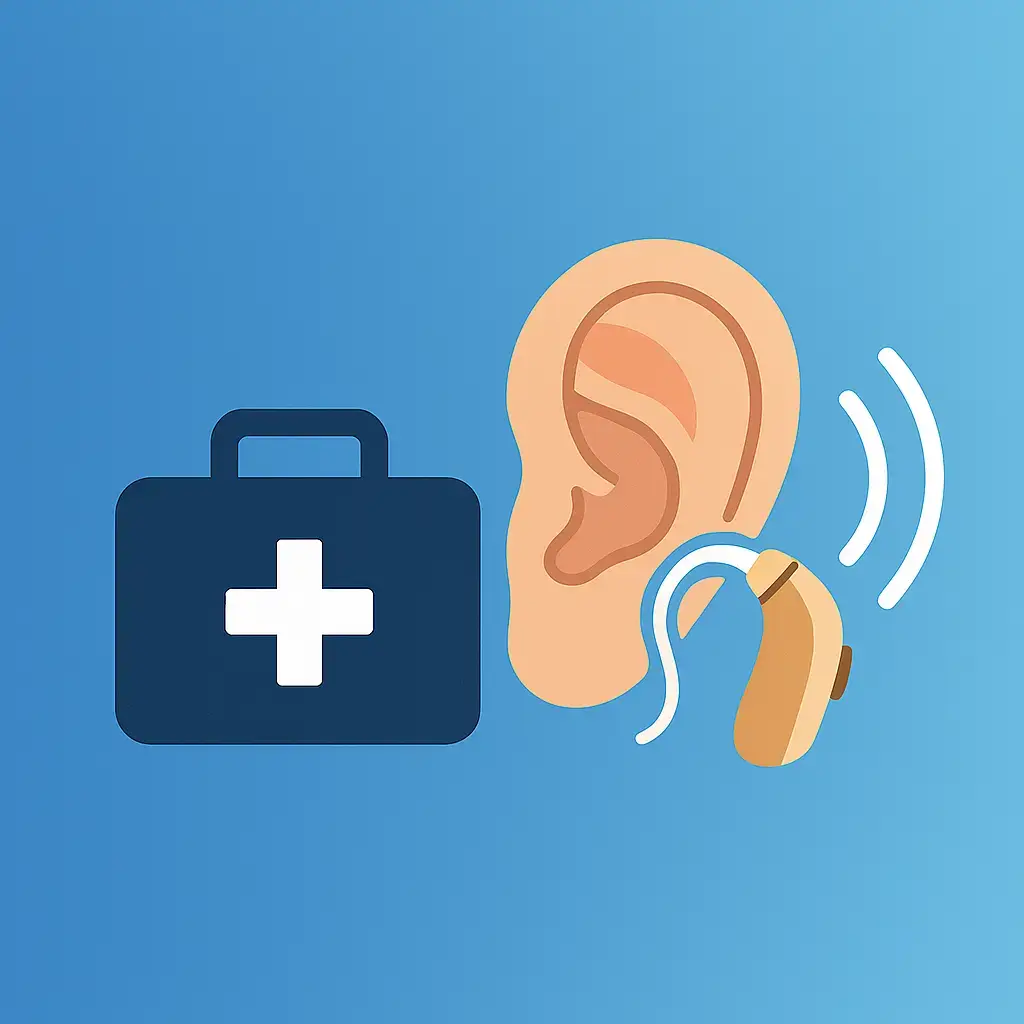
02. Hearing Devices & Technology?
-
Ideal for: Permanent or sensorineural hearing loss
Hearing Aids
- Styles: BTE, RIC, ITE, CIC
- Features: AI adjustments, Bluetooth, directional mics, rechargeable batteries
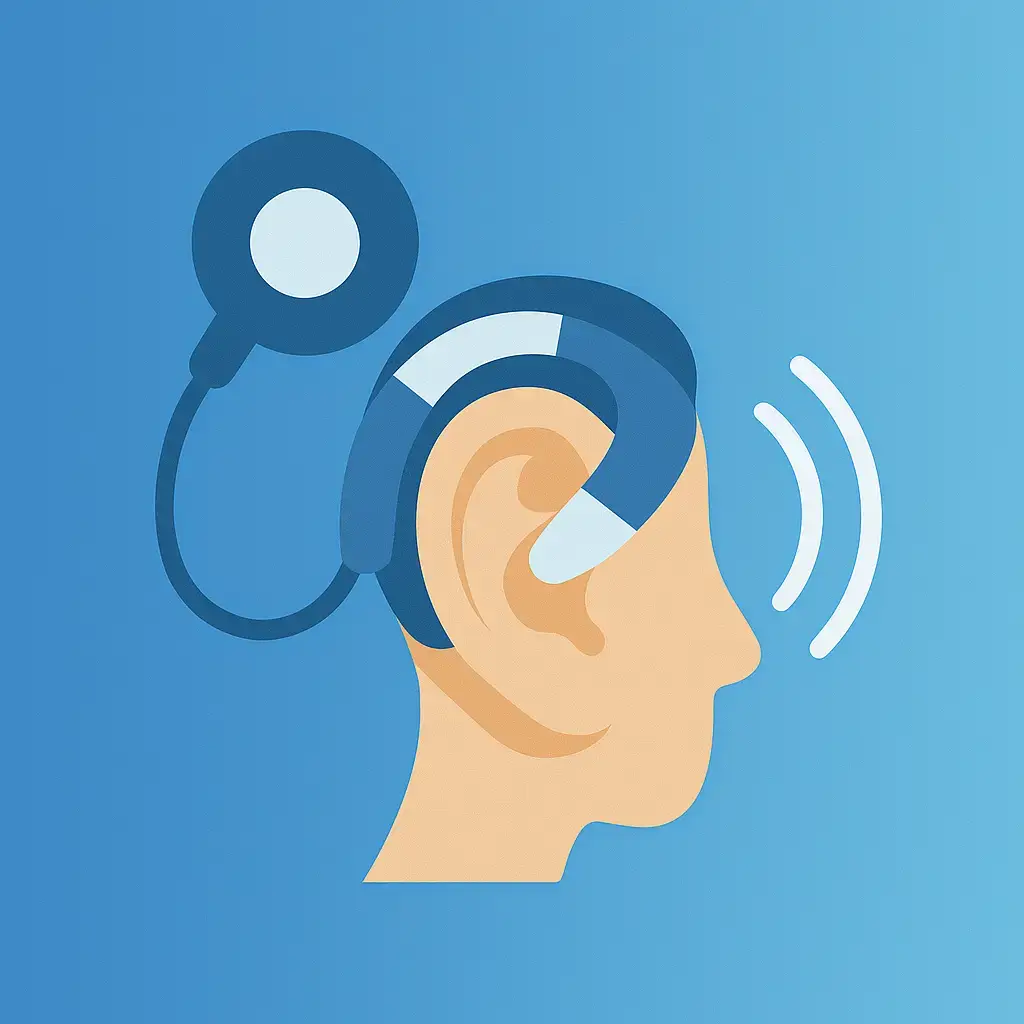
Cochlear Implants
How it works: Bypasses damaged inner ear and stimulates auditory nerve directly.
Bone-Anchored Hearing Systems (BAHS)
Benefit: Transmits sound via bone conduction — perfect for chronic infections or malformations.
Assistive Listening Devices (ALDs)
03. Therapeutic & Rehabilitation Approaches
Auditory
Training
Speech-Language
Therapy
Tinnitus Treatment
· Sound therapy
· Tinnitus Retraining Therapy (TRT)
· Cognitive Behavioral Therapy (CBT)
· Stress reduction
Lip Reading & Sign
Language
Future of Hearing Loss Treatment

Gene Therapy

Hair Cell Regeneration
Electroacoustic Stimulation (EAS)
Preventive
Strategies
-
Protect your hearing before it’s too late:
- Use earplugs in noisy environments
- Avoid ototoxic medications
- Manage diabetes, blood pressure, etc.
- Regular hearing check-ups after age 50
Consequences of Untreated Hearing Loss
-
Consequences of untreated hearing loss:
- Social withdrawal and isolation
- Strained relationships
- Reduced job performance
- Depression and anxiety
- Increased risk of dementia and falls
Treating hearing loss is not just about hearing better — it’s about living better.
Treatment by Age Group
| Age Group | Focus Area |
|---|---|
| Infants & Children | Early screening, hearing aids, cochlear implants, speech therapy |
| Teens & Young Adults | Discreet devices, social support, academic accommodations |
| Middle-Aged Adults | Work-life impact, advanced aids, communication training |
| Senior Citizens | Preventing cognitive decline, social isolation, easy-to-use devices |
Talk to Denoc Hearing Experts Today!
We’re committed to helping you hear the moments that matter most. Whether you’re exploring hearing aids, cochlear implants, or therapy — Denoc is your trusted hearing partner in India.
Frequently asked questions
The best treatment depends on the type and severity of hearing loss. Options include medical treatments (like antibiotics or steroids), surgical procedures, hearing aids, cochlear implants, and therapeutic approaches. A hearing care professional at Denoc can help personalize your treatment plan after a full evaluation.
Some types of hearing loss, especially conductive loss caused by infections or blockages, may be reversible with medical or surgical treatment. However, sensorineural hearing loss is usually permanent, though hearing aids or cochlear implants can significantly improve hearing ability and quality of life.
You should seek treatment as soon as you notice signs like difficulty understanding speech, needing higher volume levels, or ringing in the ears (tinnitus). Early treatment can prevent further hearing decline and improve communication, mental health, and overall well-being.